Why Understanding Your AC Could Save You A Lot of Money
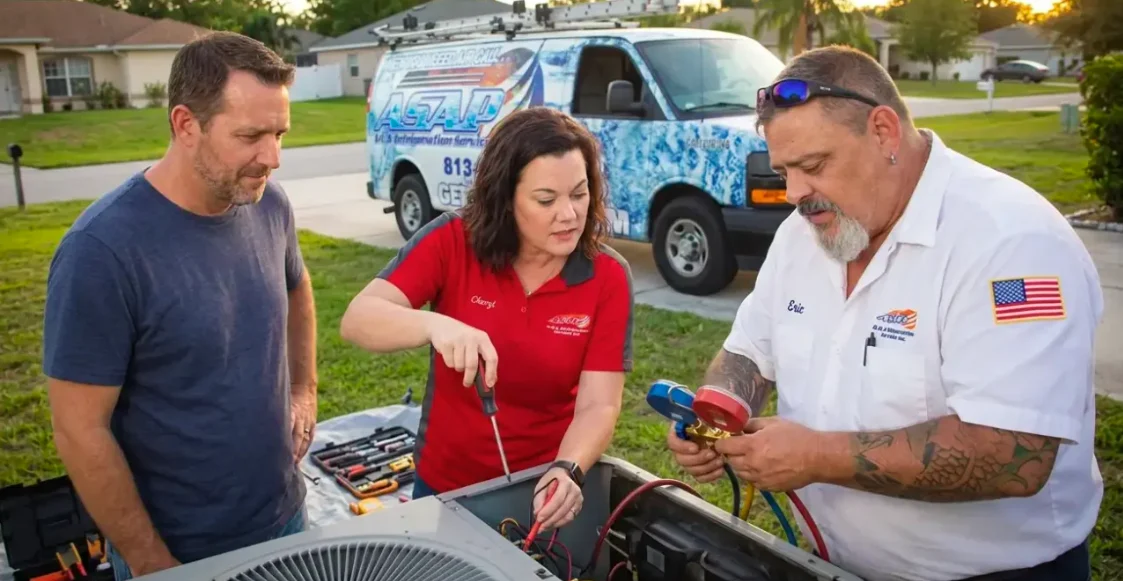
Picture this: It’s a sweltering Tampa Bay afternoon. You return home, the heat is thick, and your first instinct is to crank the thermostat as low as it goes, anything to get relief fast. A few days later, you open your utility bill and wonder: “Are these high costs just part of living in Florida?” But here’s the real surprise. Some of the things you do to save energy are actually working against you. According to Cheryl Wallace, of A.S.A.P. A/C & Refrigeration Services Inc., it’s not just about the summer heat—it’s about the hidden energy-wasting mistakes at home that creep into your habits. Most homeowners are unaware that cooling dominates residential energy use, and small misunderstandings about air conditioning add up to major costs and uncomfortable afternoons.
In this expert guide, you’ll discover the five most common AC myths Tampa Bay homeowners hold, why these beliefs seem so logical, and what really happens when you follow them. With each myth, Cheryl Wallace offers straight talk, actionable fixes, and little-known tips that could easily save you hundreds—while avoiding emergency repairs and keeping your home comfortable all summer.

“Setting your AC to 65 does not cool your house any faster; it just makes the AC run longer, costing you more and wearing the system down.” – Cheryl Wallace, A.S.A.P. A/C & Refrigeration Services Inc.
Cooling Costs Dominate Home Energy Use in Tampa Bay’s Humid Heat
According to Cheryl Wallace, Tampa Bay’s high humidity and almost year-round AC season leave homeowners especially vulnerable to creeping energy costs. “AC isn’t just another appliance here—it’s your shield against weeks of muggy, exhausting heat, and the single biggest driver of monthly bills,” she notes. In fact, studies show that cooling can easily account for more than 50% of summer electricity usage in Florida homes. But what’s often missed is how much those costs are inflated by common AC myths and small misunderstandings. The habits you learned from friends or online forums such as cranking the thermostat or closing vents in empty rooms—are often based on logic that feels right but doesn’t match how modern AC systems actually work. The result? Higher bills, uncomfortable rooms, and a system pushed to the brink.
Wallace emphasizes that the worst energy-wasting mistakes aren’t always dramatic. They accumulate through daily routines that many homeowners consider helpful. That’s exactly why correcting these myths is not just about comfort, but about protecting your wallet and preventing expensive breakdowns.
Common Myths Add Up to Wasted Energy and Higher Bills
The biggest danger of these myths, according to Wallace, is that they sound so logical on the surface. “People believe what feels right. But in HVAC, intuition often causes more harm than good.” When you believe airflow equals effective cooling, or that setting the thermostat lower guarantees faster results, you’re not saving energy—you’re quietly sabotaging your system and comfort. Fortunately, Wallace’s real-world experience reveals that the right habits are often simple, requiring only minor changes in routine to see lower bills and a more reliable AC.
Ready to see what’s been driving up your bills? Below, Wallace busts through the top five AC myths with science-backed, field-tested solutions any Tampa Bay homeowner can put to use immediately.
Myth 1: Setting Your AC to 65 Cools the House Faster
Why It Seems Logical to Crank the Thermostat Down

It’s human nature: If you want something done faster turn it up, crank it down. We do this with stove burners and showers, so why wouldn’t “as low as it goes” cool down the house lightning quick? For many, especially on suffocatingly hot days, punching the thermostat to 65° feels like shortcutting the wait. Cheryl remarks that this is one of the most persistent myths she encounters seen as a quick fix, especially when returning home after a day out.
Homeowners in Tampa often ask, “Does setting AC lower cool house faster?” Wallace explains this is rooted in intuitive, but flawed, logic. The internal components of a central AC system simply don’t “speed up” if you select a lower number.
The Reality: Your AC Works at a Steady Pace Regardless of Setting
“No AC system cools any faster just because you set it lower; it simply runs longer trying to reach an unreachable temperature.” – Cheryl Wallace
The truth, according to Wallace, is that your AC is either on or off—there’s no turbo mode for colder settings. “If it’s 100°F outside and your house is well-sealed, the lowest your system can usually get is about 20-25 degrees cooler than outdoors,” she says. Setting the thermostat to 65° doesn’t trigger rapid cooling; instead, your system just runs much longer, burning excess energy and wearing down parts as it struggles to reach a temperature it sometimes physically cannot achieve.
Not only does this add wear, but homeowners end up paying for “phantom cooling time” that never improves results. A lower setting leads directly to oversized bills and more frequent repairs, with no comfort gain.
Quick Fix: Set a Comfortable Temp Around 78°F and Use a Smart Thermostat
So what should you do instead? Set the thermostat to the temperature you actually want. Wallace points to federal guidelines recommending 78°F as the optimal balance for comfort and savings during summer afternoons. Modern programmable or smart thermostats make this easier by allowing you to schedule cooling cycles, meaning you can start cooling before arriving home rather than overcompensating in a rush.
Not only does this approach keep bills in check, but it extends equipment life and keeps indoor air quality at its best. As Wallace summarizes, “When in doubt, use the best thermostat setting for summer to save money and trust your AC’s design. ”
Myth 2: If Air Is Blowing, the System Is Fine
Why Airflow Feels Like Proof Your AC Is Working
Most of us relate the gentle hum of air through the vents with comfort—a sign the system is humming away, keeping us cool. But as Cheryl Wallace cautions, airflow alone is not proof your AC is doing its job well. “It’s easy to assume blowing means the cooling is working, but that assumption can quickly become expensive,” she shares. The AC blowing air but not cooling is one of the stealthiest problems Wallace sees across Tampa Bay. Homeowners only notice when discomfort or high bills finally become impossible to ignore.
This myth persists because visible or felt airflow reassures us, masking the system’s deeper performance issues, ones that silently ramp up bills and risk breakdown.
When Air Blows but Cooling Drops: Hidden Energy Drainers

“Lukewarm air, persistent running, and ice on lines are red flags your air conditioner needs maintenance.” – Cheryl Wallace
The reality is that the fan can run while the cooling side struggles. Wallace notes that issues like a clogged filter, dirty evaporator coils, low refrigerant, or a failing capacitor mean your system runs longer, working harder while delivering diminishing returns. Often, rooms remain warm despite steady airflow, and bills quietly tick upward.
According to Wallace, the key warning signs are air that feels lukewarm, a system that runs nearly non-stop, rooms that don’t cool effectively, or visible ice on the refrigerant lines. These issues mean you’re paying for energy that isn’t turning into comfort and could be setting yourself up for a major repair.
Practical Tip: Regular Filter Changes and Annual Professional Tune-Ups
Avoiding wasted energy here is simple: Change your AC filter every 1-3 months, especially during heavy use. Wallace recommends scheduling an annual AC tune-up to catch small problems before they spiral. “Don’t wait for full breakdowns; early intervention keeps everything running at peak efficiency and prevents weeks of discomfort,” Wallace states.
A little diligence, like checking for signs your AC needs maintenance and listening for unusual noises, protects both your home and your wallet.
Myth 3: A Bigger AC Always Cools Better
The Appeal of More Power: Faster Comfort, Right?
Bigger is better. Or, at least, that’s the assumption when it comes to cold air combating Florida’s summer inferno. Homeowners often request upsized units thinking, “Why not get the most cooling power possible?” Cheryl Wallace has seen this countless times, especially for those planning renovations or battling persistent hot spots. “More power should mean faster, better cooling, right?”
This makes sense in theory: Higher horsepower engines and bigger kitchen appliances do more work in less time. But with home cooling, adding size doesn’t equal better performance. In fact, the risks can greatly outweigh the potential benefits.
How Oversized Units Cause Short Cycling and Humidity Problems

“Oversizing means your AC won’t remove humidity properly, leading to clammy rooms and constant on-off cycles that strain the system.” – Cheryl Wallace
Wallace warns that more power isn’t always better: “A larger AC blasts cold air so fast it turns off before pulling the humidity out of the air.” This failure to properly dehumidify leaves rooms feeling sticky (“clammy” ), allows temperatures to swing, and fosters biological growth in ductwork and walls. This short cycling’s rapid starts and stops cause greater wear, cutting years off of a system’s lifespan while ramping up energy use and maintenance needs.
It also means you pay a premium for the unit itself, then double down on discomfort and higher monthly costs. Problems with an oversized AC unit aren’t just theoretical—they show up every summer in homes across Tampa Bay.
Do It Right: Get a Proper Load Calculation for Your Home
The answer? Proper sizing. Wallace urges homeowners: “Don’t go by square footage alone—insulation, sun exposure, windows, and layout all matter. ” She recommends asking your HVAC contractor for a detailed load calculation (commonly known as a Manual J), rather than guessing or using rough estimates. That single proactive step ensures your home gets just the cooling it needs—efficiently, evenly, and reliably.
Wondering how to know what size AC you need for your house? Trust the science and the experts, not the sales pitch.
Myth 4: Closing Vents Saves Energy
Why It Seems Intelligent to Shut Off Unused Rooms
On the surface, closing vents in rooms you rarely use appears practical—why pay to cool empty spaces? Many Tampa Bay homeowners experiment with this trick, believing it will cut costs and focus cooling only where it’s needed. Wallace acknowledges the logic: “It feels smart to redirect airflow by shutting registers. Most people picture savings adding up room by room.”
However, Wallace has seen the hidden costs of this habit in dozens of homes. The system’s design doesn’t actually work that way, and what seems like a quick fix can sabotage your entire network of ducts and your overall comfort.
How Closed Vents Increase Duct Pressure and Energy Waste

“Closing vents can cause leaks, strain your AC blower, and even freeze your coil — costing you more money, not less.” – Cheryl Wallace
The reality is that central AC systems are engineered to move a fixed amount of air through your home. “Closing vents just increases the internal pressure. Air gets pushed out through leaks in the ducts or forces the blower and coil to work harder than designed,” Wallace warns. This heightened pressure can eventually break seals or cause condensation, leading to expensive repairs or even premature failure of key components. According to research by the Lawrence Berkeley National Laboratory, closing registers rarely saves any energy—often, it increases overall use and maintenance needs.
Homeowners asking, “Is it bad to close air vents in unused rooms?” should instead look to more technical solutions and avoid this energy-wasting pitfall altogether.
Better Alternatives: Keep Vents Open, Seal Ducts, or Install Zoning
The fix is straightforward: Keep all vents open and unblocked. If certain spaces consistently feel too hot or cold, have an HVAC professional check your ductwork for leaks and balance airflow. Consider duct sealing or a modern zoning system designed for your home. Wallace notes, “Smart investments up front always beat band-aid solutions that create bigger headaches later. ”
This not only preserves energy, but also keeps the system operating at optimal capacity for every room.
Myth 5: Portable ACs Work Great Straight Out of the Box
The Plug-and-Play Appeal of Portable AC Units
On a relentless August afternoon, the quick answer seems obvious—buy a portable unit, plug it in, and enjoy instant comfort. Marketing amplifies this illusion, selling homeowners on “plug-and-play” simplicity. Wallace admits, “It’s tempting to believe a box-store portable AC will solve everything without fuss. ” The how to make a portable AC work better question comes up constantly with first-time buyers and renters around Tampa Bay.
But, Wallace argues, real-world results nearly always depend on setup quality—not hardware alone.
Why Improper Setup Nullifies Portable AC Efficiency
Improperly installed, a portable AC simply recycles hot air and ramps up your bills. “A poorly sealed window kit lets hot, humid air slip back inside, and long, kinked exhaust hoses can radiate heat right back into the room,” warns Wallace. With single-hose units, the problem grows: As air is exhausted outdoors, it draws warm outside air in through leaky gaps, making it feel like your AC is working against itself.
Those struggling with why is my portable AC not cooling the room are almost always dealing with installation, not equipment faults.
Smart Setup Tips Like Sealing Window Kits and Hose Management

To maximize performance: Seal the window kit using foam or weatherstripping, keep the exhaust hose short and straight, and inspect for kinks. Wallace suggests considering a hose cover for improved efficiency. Before purchasing, match the unit’s BTU rating to your room size, and for best results, opt for a dual-hose model—even if it costs a bit more.
By addressing setup, even budget-friendly units can cool efficiently, pushing down energy bills and ensuring comfort where you need it most.
Your First Step to Smarter Energy Use: Take Control Today
“Research your system, read the manual, and don’t hesitate to call a local AC expert to avoid costly mistakes.” – Cheryl Wallace
Easy Win: Change Your Air Filter This Week and Adjust Your Thermostat
If you take just one step today, Wallace recommends swapping your air filter (especially if it’s overdue) and giving your thermostat settings a fresh look. “Small changes truly add up,” she says, especially in Florida’s demanding climate. Invest a few minutes this week for cleaner air, more consistent comfort, and noticeable savings.
When to Call a Pro: Spotting Early Warning Signs Before a Breakdown
Be vigilant for the early warning signs: odd noises, persistent humidity, or a system running constantly without ever reaching the set temperature. “If you’re not sure, or you notice anything off, call a trusted AC expert before a full breakdown happens,” Wallace advises. Proactive service is always less expensive than an emergency call in the middle of a heatwave.
Quick FAQ: Top Questions Tampa Bay Homeowners Ask About AC Energy Use
- What temperature should I set my AC in summer?
- How often should I change my AC filter?
- Is it bad to close vents in unused rooms?
- How do I know if my AC is the right size?
- What are signs my AC needs maintenance?
| Myth | Reality | Recommended Action |
| Lower thermostat cools faster | AC cools at steady rate | Set thermostat to 78°F |
| Airflow means system’s fine | Fan can run while cooling fails | Check for lukewarm air, ice, odd noises |
| Bigger AC cools better | Oversized causes humidity & wear | Use professional load calculation |
| Closing vents saves energy | Increases duct pressure & leaks | Keep vents open, seal ducts |
| Portable AC cools well immediately | Bad setup wastes energy | Seal window kit, shorten hose length |
Wrap-Up: Mastering Your AC Means Energy Savings and Comfort
Small Changes Yield Big Results
In Tampa Bay’s climate, small, informed changes turn energy-wasting mistakes at home into the keys for comfort and savings. As Cheryl Wallace reveals, the “aha!” moments happen when you challenge intuition with expertise. “Every myth you fix is real money and comfort gained,” she says.
Keep Your System Healthy with Pro Guidance
According to Wallace, making the shift from trial-and-error to data-driven decisions is the smartest route—that’s where your AC is sized right, maintained regularly, and treated as an investment, not a headache. When in doubt, contacting a skilled HVAC pro is the move that pays for itself.
Ready to stop wasting energy and start saving? Call today to setup an estimate, or fill out our form and we’ll get back to you A. S. A. P. 📞 (813) 504-2764 📞 (352) 340-5281or got to https://www.GetAirASAP.com
Proudly serving Hernando, Pasco, Pinellas, Hillsborough and Citrus Counties. We serve ALL makes and models.
Author: Cheryl Wallace, A.S.A.P. A/C & Refrigeration Inc.