With Tampa Bay homeowners relying heavily on their air conditioning systems during the extreme summer heat, what are some of the most common HVAC problems you see during the summer months, and what warning signs should homeowners pay attention to before their system completely fails?
Every Tampa Bay homeowner knows that when the brutal, sticky summer rolls in, their air conditioning system isn’t just a comfort—it’s a lifeline. But with Tampa Bay homeowners relying heavily on their air conditioning systems during the extreme summer heat, what are some of the most common HVAC problems you see during the summer months, and what warning signs should homeowners pay attention to before their system completely fails? This is a question that can spell the difference between a cool, relaxing oasis and an unbearable emergency. In this essential guide, Cheryl Wallace, owner of ASAP A/C & Refrigeration Services Inc. , draws on decades of HVAC experience to deliver authoritative insights and “aha moments” that every Tampa Bay resident should act on—before disaster strikes. Her perspective? “Your AC rarely goes from working perfectly to completely dead without giving you some warning. ” Let’s uncover what those warnings look like, and how you can stay ahead this summer.
Why Tampa Bay’s Extreme Heat Puts Your HVAC System Under Siege
As Cheryl Wallace expertly points out, “Most customers think summer HVAC problems are just about heat, but often it’s poor maintenance and missed warning signs that cause failure. ” Tampa Bay isn’t just hot in the summer—it’s punishing. Prolonged periods of high humidity and relentless sun mean your AC has to run almost nonstop, especially when temperatures soar above 90°F. This non-stop operation pushes every component of your HVAC system, amplifying the effects of any minor maintenance oversight.
What many homeowners don’t realize, Cheryl emphasizes, is how this severe environment turns small inefficiencies into full-blown breakdowns. Continuous cycles wear down moving parts, lead to faster dirt accumulation, and increase the likelihood of refrigerant leaks or electrical faults. According to Wallace, these problems inevitably strike at the “worst possible time—on weekends, when supply houses are closed, or during family gatherings.” The message is clear: unattended HVAC issues in Tampa Bay’s extreme summer heat will not wait for a convenient moment to escalate.

“Most customers think summer HVAC problems are just about heat, but often it’s poor maintenance and missed warning signs that cause failure.” – Cheryl Wallace, ASAP A/C & Refrigeration Services Inc.
The Hidden Strain of Long AC Run Times and High Humidity
With Tampa Bay homeowners relying on air conditioning systems to combat relentless heat and humidity, AC units often run 12–16 hours per day or more. This relentless usage causes refrigerant levels to dip, air filters to clog quicker, and puts extraordinary stress on the compressor and blower motors. Cheryl Wallace warns, “The system’s struggle isn’t always obvious at first. You might only notice it’s running longer, bills are creeping up, or it just can’t reach that comfortable set point anymore. These are all cries for help. ”
High humidity compounds the problem by making your AC fight two battles: temperature and moisture reduction. The impact? Extended run-times to achieve even moderate cooling, increased condensation, and greater risk of frozen evaporator coils. Prolonged dampness can foster mold growth inside ducts and reduce indoor air quality. As Wallace sees it, “Ignoring these symptoms doesn’t just invite discomfort—it opens the door to system failure, expensive repairs, and even health hazards from poor air quality.”
Top Common Summer HVAC Problems That Tampa Bay Homeowners Must Watch
When considering what are some of the most common HVAC problems you see during the summer months, Cheryl Wallace emphasizes that Tampa Bay’s summer exposes weak points in even the best systems. The main culprits? Refrigerant leaks, frozen evaporator coils, clogged drains, dirty air filters, electrical faults, and compressor issues. Each of these can begin silently, but quickly escalate into emergencies unless spotted early.
Wallace likens HVAC maintenance to vehicle care: “Just like your car or lawn mower, your AC system needs routine attention to prevent letdowns at the worst possible time. A neglected unit is a breakdown waiting to happen—often during a sweltering holiday or when HVAC pros are hardest to reach. ” The Tampa Bay climate accelerates the deterioration of every component, so vigilance is absolutely critical.
Refrigerant Leaks, Frozen Coils, and Other Silent Efficiency Killers
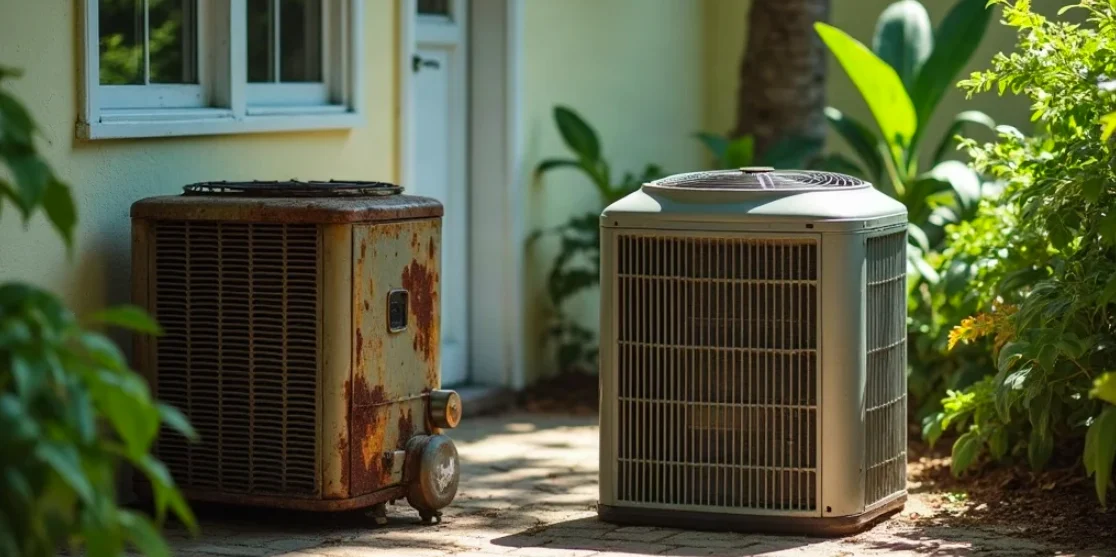
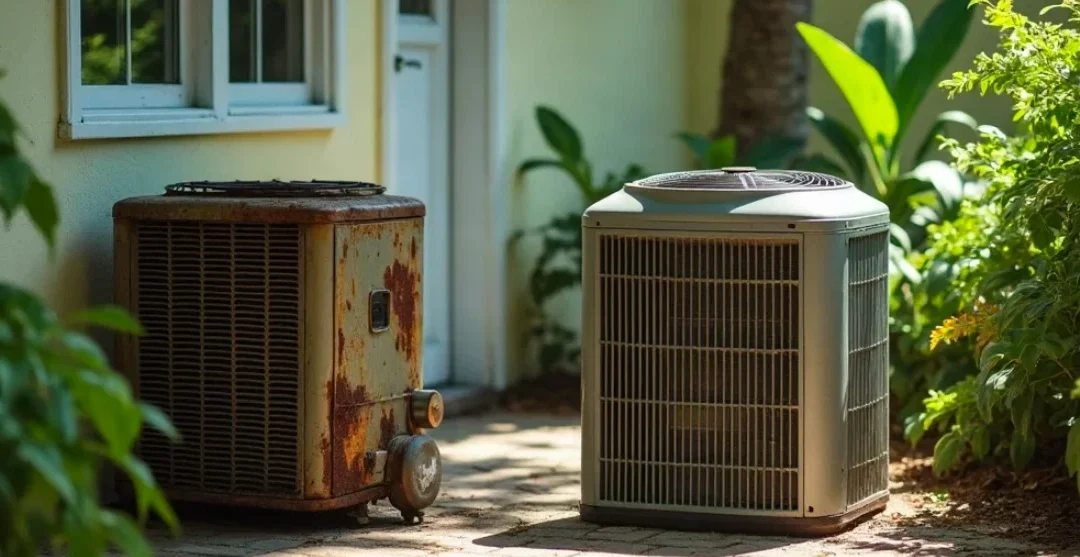
Probably the most common summer nightmare, as Cheryl explains, is refrigerant leaks. Over time, connections loosen or corrosion sets in, causing the system to lose cooling power. “The AC starts blowing warmer air, and homeowners think maybe their thermostat is broken—but usually, it’s a refrigerant or airflow issue,” Wallace shares. Frozen evaporator coils—brought on by low refrigerant or poor airflow from dirty filters—are another stealthy efficiency killer. These are slow-building issues, rarely catastrophic at first, but they ramp up the electric bill and slowly choke system performance.
Other common, often hidden threats include clogged condensate drains—which can silently cause water damage or even mold—and dirty air filters that suffocate system airflow. Wallace notes, “If you don’t see any condensation or notice puddles near the unit, that’s a red flag—water needs somewhere to go, and if it’s not draining, the inside of your system could be at risk. ” These issues build up over days or weeks, culminating in outright failure if ignored.
Electrical Failures and Compressor Issues: When Warning Signs Become Critical
Cheryl Wallace details that electrical issues and compressor failures are the “final straw” for many struggling systems. Failing capacitors, corroded connectors, or a compressor desperately overworking to keep up during peak heat not only stress your system but threaten its longevity and wallet. Wallace cautions: “If the system is making humming or grinding noises or if lights dim when it starts, that could mean compressor problems needing immediate attention. ”
Missed warning signs often turn into emergencies late at night or on weekends. Cheryl points out that “systems rarely fail without warning. The earlier you recognize humming, dimmed lights, or startup stumbles, the easier—and cheaper—it will be to act.” Don’t wait for the unit to shut down entirely; unexpected system silence usually means the problem has turned both urgent and expensive.
“If the system is making humming or grinding noises or if lights dim when it starts, that could mean compressor problems needing immediate attention.” – Cheryl Wallace, ASAP A/C & Refrigeration Services Inc.
Warning Signs Your AC System Is Struggling But You Might Be Missing
Tampa Bay homeowners often overlook or underestimate small changes in air conditioning performance, but Cheryl Wallace insists these are “crucial early signals that bigger trouble is brewing.” Regularly experiencing any of these warning signs means immediate action is needed to flee the summer heat unscathed:
- Unusually high electric bills
- Continuous system running without reaching set temperature
- Warm or inconsistent airflow
- Water puddles around the indoor unit
- Strange noises or odors
- Ice forming on refrigerant lines or condenser
Why Minor Issues Like Reduced Airflow and Extended Run Times Signal Major Repairs Ahead
Cheryl Wallace emphasizes that many homeowners only act when the AC quits altogether—but the real savings come from catching those subtle signs early. She draws a vivid analogy: “It’s exactly like your vehicle. You don’t wait until the engine seizes; you fix minor issues before they become crises. ” Seemingly small symptoms, such as reduced airflow from your vents or the AC failing to ever quite catch up to the thermostat set point, nearly always precede larger failures. When your system is struggling longer to cool the air, it’s working harder than it should, pressurizing its components and burning excess electricity.
The expert perspective is that proactively addressing these early signs is the most cost-effective—and the least stressful—path for homeowners. Ignoring ice on the lines, persistent water around the inside unit, or a system that runs endlessly can transform an inexpensive repair into a full unit replacement or even extensive water and mold damage.
“Maintenance is always your first line of defense; catching problems early can save you a lot of money and discomfort.” – Cheryl Wallace, ASAP A/C & Refrigeration Services Inc.
When to Call a Professional: Differentiating Between Monitorable Signs and Emergencies
Not every hiccup in AC performance demands a frantic call. But as Wallace firmly states, it’s vital to distinguish between what you can monitor and what warrants immediate intervention. Elevated energy bills, short cycling, or weak airflow are issues you can watch while scheduling maintenance. However, consistent overheating, persistent puddling, electrical issues like dimming lights on startup, or total loss of cooling should prompt an urgent call to a trusted HVAC professional.
Cheryl’s rule of thumb is simple: “If your AC is failing to run, making strange noises, or you see ice forming anywhere it shouldn’t be—don’t risk prolonged downtime or costly after-hours emergencies.” Timely expert help ensures small repairs don’t become multi-day repair sagas during a heatwave weekend. In Tampa Bay’s challenging climate, erring on the side of caution is always safest, especially when “systems rarely fail without warning. ”
Recognizing Critical Failures That Demand Immediate HVAC Service
According to Wallace, these are the red-flag conditions that mean you should call for professional help immediately:
Sudden loss of cooling during peak hours, repeated circuit breaker trips, burning smells, loud new noises, or puddled water around your system’s inside unit are never ‘wait and see’ problems. Critical compressor failures or electrical shorts can worsen if left unaddressed, leading to full system failure and potentially hazardous conditions. Wallace’s experience shows that acting quickly is not only safer but can also prevent you from facing multi-day outages when part suppliers—and HVAC companies—close for weekends.
Proactive Steps Tampa Bay Homeowners Can Take Now to Prevent Summer AC Breakdowns
The path to cool comfort all summer isn’t just about fast repairs—it’s about staying ahead. Cheryl Wallace advocates a straightforward, proven maintenance strategy for Tampa Bay homeowners determined to safeguard their home environment and wallet. These steps, she insists, can prevent the vast majority of unexpected AC disasters.
- Schedule a professional AC tune-up before or during summer
- Regularly change air filters
- Keep outdoor condenser units clear of debris
- Ensure condensate drains are not clogged
- Monitor electric bills and indoor airflow regularly
- Avoid setting thermostat too low to prevent overworking the system
Each of these proactive measures delivers “outsized benefits,” Wallace notes. For example, just scheduling a simple tune-up before the hot months can detect everything from refrigerant leaks to failing capacitors, averting costly mid-summer meltdowns. Regular DIY filter changes and debris clearance can also extend system life, boost efficiency, and cut down on energy waste.
Repair or Replace? Knowing When Your Aging System Needs an Upgrade
Not all air conditioning problems warrant repair—sometimes, replacement is the wiser move. According to Cheryl Wallace, if an AC unit requires frequent fixes, can’t cool efficiently even after repair, or is over 10–15 years old, it’s probably time to consider an upgrade. She explains: “Aging systems cost homeowners more in the long run, not just in repairs, but in high electric bills and unpredictable breakdowns. Investing in a modern, high-efficiency unit gives you peace of mind and substantial savings over time.”
Many Tampa Bay homeowners hesitate to invest in new systems, but Wallace’s experience shows that “replacement ends up less expensive than repeated repairs and the discomfort of surprise failures.” System upgrades aren’t simply about cooling—they’re about reliability, family comfort, and avoiding those dreaded emergency calls late on a summer Friday.

“Systems rarely fail without warning. Paying attention to small issues helps you avoid inconvenient, costly breakdowns.” – Cheryl Wallace, ASAP A/C & Refrigeration Services Inc.
Summary: Staying Ahead of HVAC Failure to Keep Your Tampa Bay Home Comfortable
Catch Early Warning Signs, Prioritize Maintenance, and Avoid Emergency Repairs
The bottom line, as Cheryl Wallace repeatedly demonstrates, is that paying close attention to your AC system and being proactive will keep you cool, safe, and financially secure during Tampa Bay’s long, hot summers. From subtle warning signs like persistent run times or puddles, to must-act conditions like ice buildup or system silence, every clue deserves your attention. “Staying ahead with regular maintenance and quick response to minor issues means you’re far less likely to experience an emergency in the middle of summer when help is hardest to find.”
Homeowners unwilling to ignore rising energy bills, odd noises, or erratic temperatures—especially during Florida’s most brutal months—enjoy lower repair costs, extended system life, and the peace of mind of a reliably cool home. The expert advice: never wait until your comfort is already lost; the earlier you act, the smoother (and more affordable) your summer will be.
Take Action Today to Protect Your Home and Wallet This Summer
Cheryl Wallace’s final—and most practical—wisdom: Get a professional tune-up, keep filters clean, clear your outdoor unit, regularly check for warning signs, and don’t set your thermostat too low. Schedule preventive maintenance with a local HVAC expert you trust; it’s your best insurance policy against surprise breakdowns and sky-high repair bills. Your family’s comfort depends on it—and during another record-hot Tampa Bay summer, there’s no time to waste.
AUTHOR: Cheryl Wallace, Co-owner, ASAP A/C & Refrigeration Services Inc.
Contact: Cheryl Wallace, Ph: 813) 504-2764 Email: [email protected]
Website: https://getairasap.com